
Melanin: an invisible natural shield
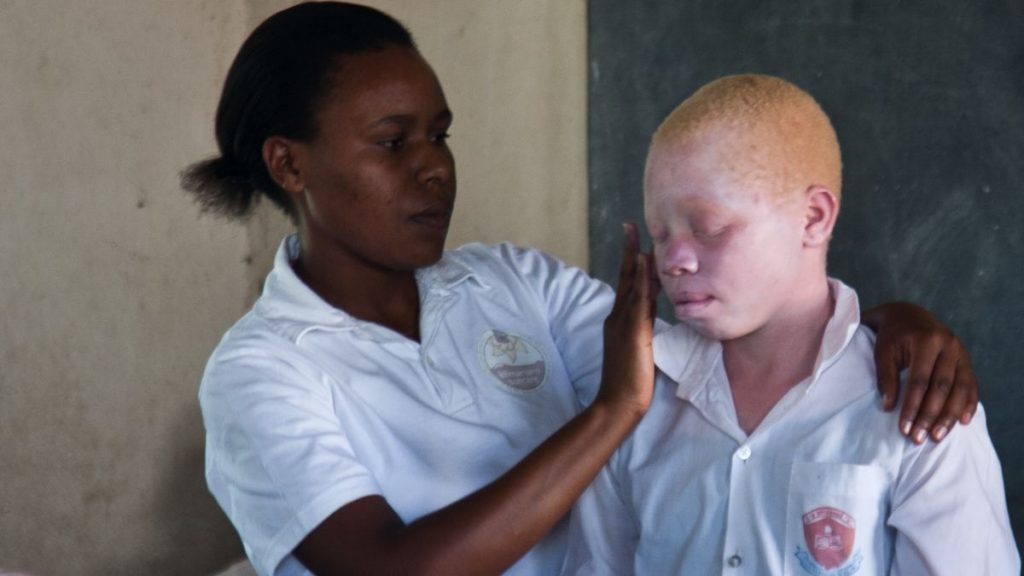
Melanin is the pigment that gives color to our skin, hair, and eyes, but above all, it acts as a biological sunscreen. It absorbs part of the sun’s ultraviolet (UV) rays, reducing cellular damage that can lead to burns, premature aging, or even skin cancer.
Without protection from the sun
People with albinism, who do not produce melanin or produce it in very low amounts, have extremely sun-sensitive skin. In regions such as sub-Saharan Africa, where the UV index is extremely high throughout the year, this lack of natural protection turns the sun into a daily threat.
Consequences:
- Frequent sunburns from early childhood
- Irreversible eye damage (photophobia, nystagmus, low vision)
- Extremely high risk of developing skin cancer before the age of 30
A problem worsened by the environment
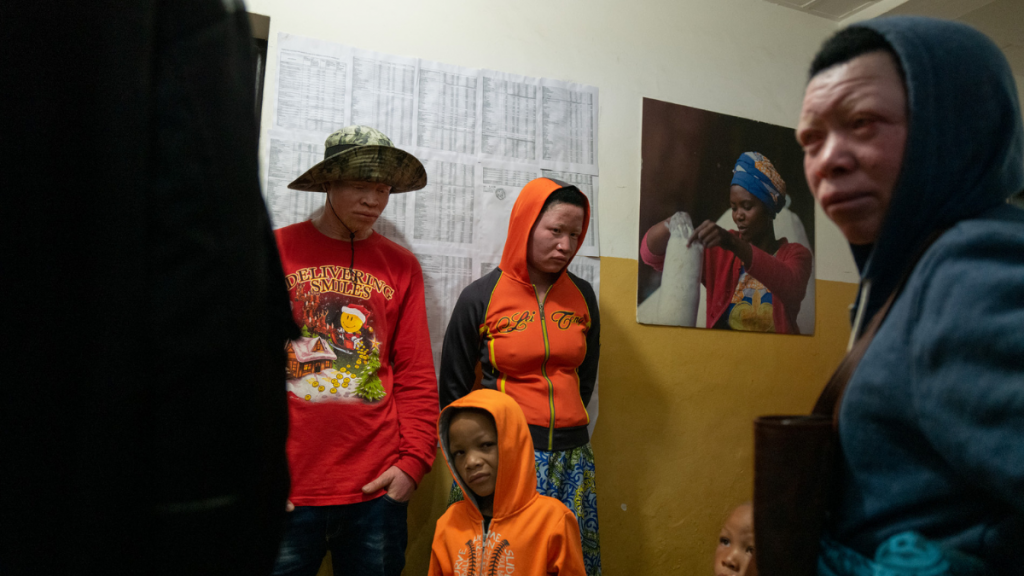
In many African countries, the lack of resources and access to healthcare exacerbates this situation. There is no regular distribution of appropriate sun protection products, nor are there adapted health education programs. In addition, stigma and social discrimination create a hostile environment that prevents access to diagnosis, treatment, and prevention.
Beyond Suncare: protecting those who need it most
At Beyond Suncare, we develop adapted dermatological solutions such as UMOZI MAX, distribute effective sunscreens, and work with hospitals and governments to ensure comprehensive, free, and dignified care for people with albinism.
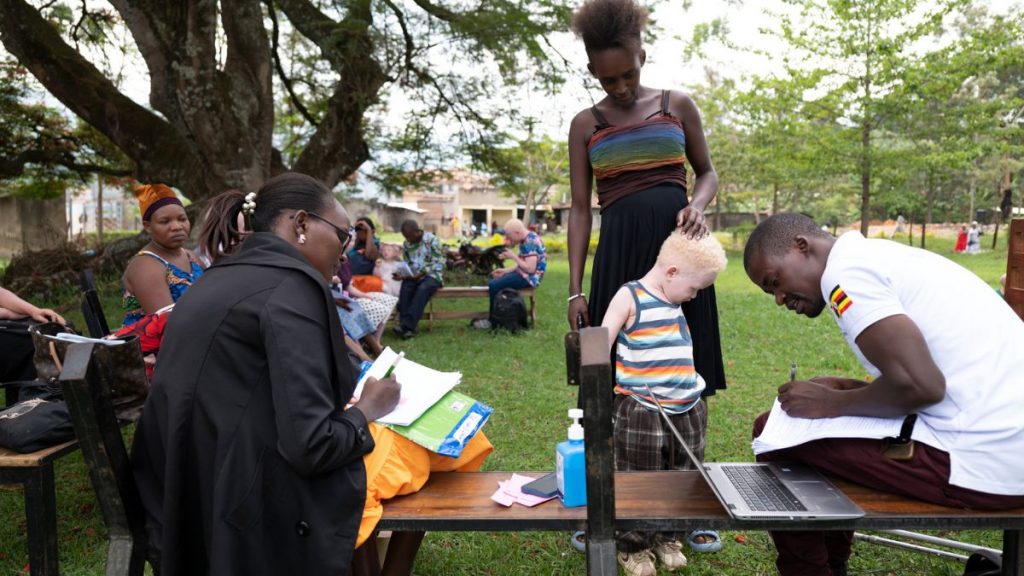
Because living with albinism in Africa should not be a sentence to suffering, nor a race against time against skin cancer.
You can help
The next time you use sunscreen, remember those who need it most and do not have access to it.
Your gesture can make a huge difference in the life of a person with albinism in Africa. Donate a sunscreen by making a contribution here or via BIZUM to 03864 with the reference “PROTECTOR”. Because we all deserve protection under the same sun.
