

A collaboration for life and social justice
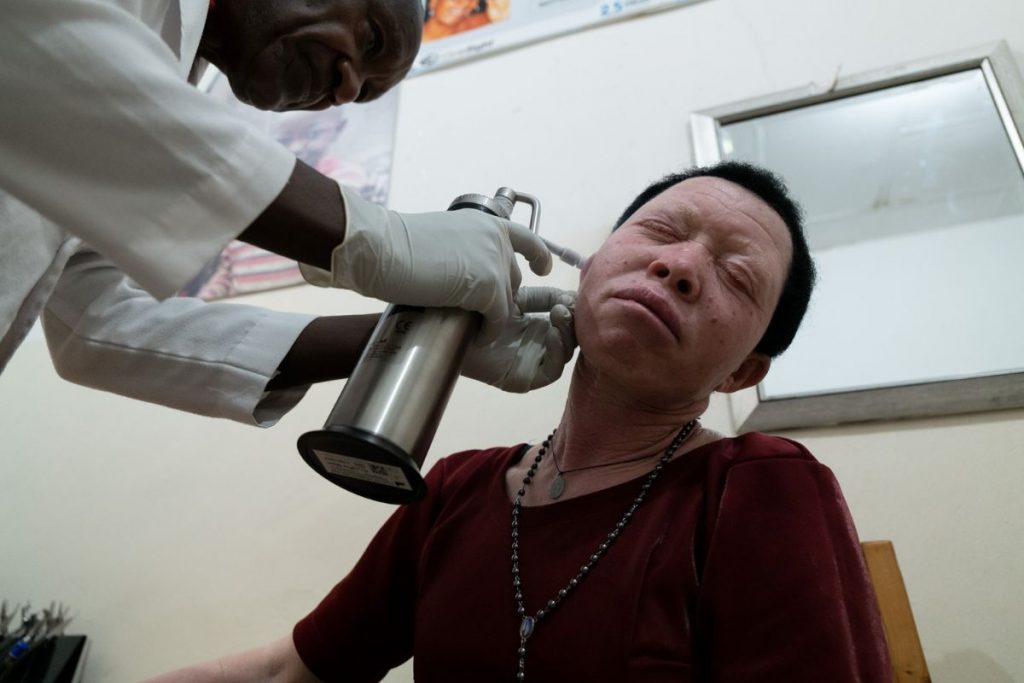
In Africa, being born with albinism means facing extreme vulnerability. Not only because of social discrimination, but also because the sun can become a lethal enemy. In Rwanda, where access to healthcare is limited—with only ten dermatologists in the entire country, nine of them based in the capital—people with albinism continue to die prematurely as a result of skin cancer.
Through the project “Walk in Their Skin: Fighting Skin Cancer Among People with Albinism in Rwanda”, Beyond Suncare will drive real change in the lives of this community thanks to the support of Fundación Unicaja, within the framework of the extraordinary calls launched by Fundación Unicaja to mark its tenth anniversary.
When sun exposure can be deadly
In sub-Saharan Africa, nine out of ten people with albinism do not live beyond the age of 30, mainly due to skin cancer. This alarming figure reflects the lack of access to sun protection measures, specialized dermatological care, and accurate information about the condition, compounded by the persistence of myths and misconceptions.
Rwanda, with only 10 dermatologists serving a population of 14 million, is a clear example of this reality. The situation is further exacerbated by the fact that 80% of people with albinism live in rural areas, where there is no access to dermatological care in health centers for this community and where social stigma intensifies their vulnerability.
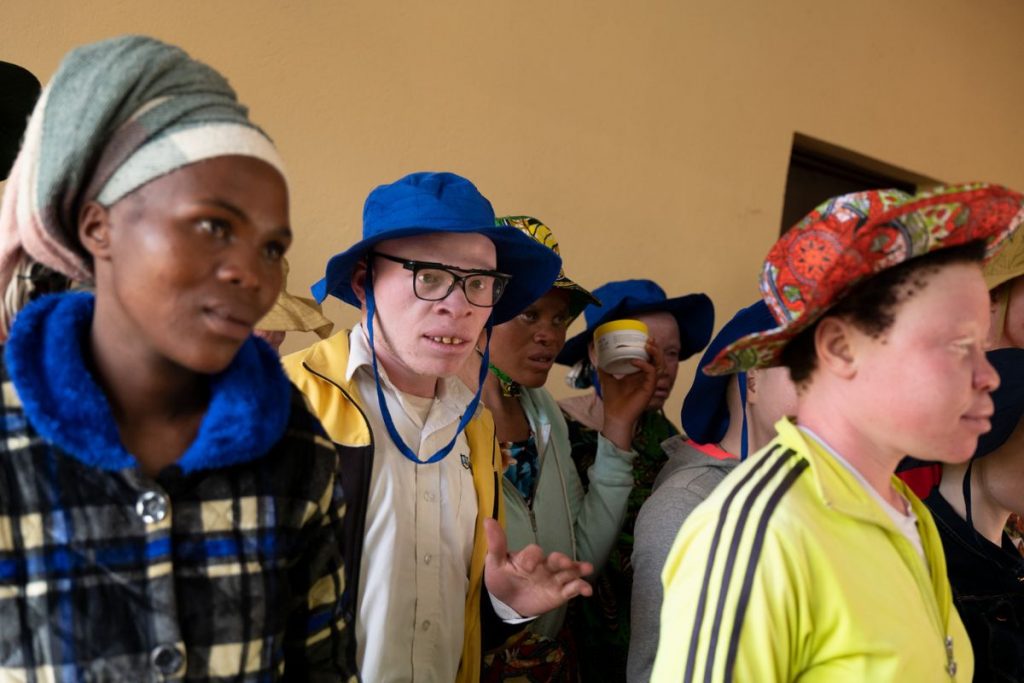
Thanks to the support of Fundación Unicaja, Beyond Suncare will expand its intervention model and provide healthcare to people with albinism in five districts across the country, through dermatology clinics that will be organized on a regular basis in district hospitals and local health centers.
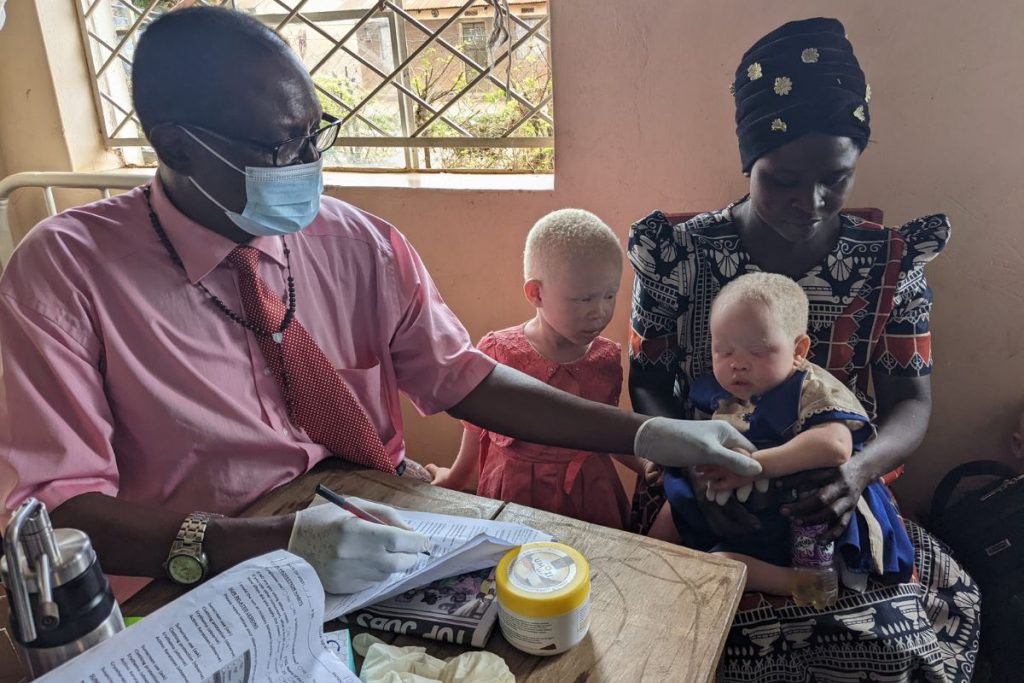
In these clinics, in addition to receiving medical care, people with albinism will take part in training sessions about their condition and the importance of adopting sun protection measures such as wide-brimmed hats, sunglasses, and the UMOZI MAX sunscreen. This product, developed by Beyond Suncare, has been specifically designed to meet the needs of those exposed to extreme solar radiation. UMOZI MAX has proven to be more effective than the limited sunscreens available in the country, as supported by various scientific studies. Its formula, tailored to the needs and preferences of people with albinism, makes application easier and encourages consistent use. Finally, during each clinic, sun protection materials will be distributed free of charge to a population facing high socioeconomic vulnerability.
The project goes beyond direct medical care. One of its core pillars is the specialized training of healthcare personnel, which will make it possible to establish regular and sustained access to dermatological care for people with albinism in the future. These theoretical and practical training sessions are designed to enable professionals to identify precancerous lesions at an early stage, appropriately refer complex cases, and provide comprehensive and compassionate follow-up to beneficiaries.
This approach plays a decisive role in strengthening Rwanda’s healthcare system and in ensuring the long-term sustainability and continuity of the project, guaranteeing that the progress achieved endures beyond the initial intervention.
In addition, the project includes the empowerment and training of community leaders and representatives of civil society organizations, such as the Rwandan Albinism Network (RAN), along with district disability officers. These key stakeholders play a fundamental role as effective links between health services and beneficiary communities, facilitating awareness-raising, support, and the advocacy of the rights of people with albinism.
Raising awareness to transform mindsets and break stigma
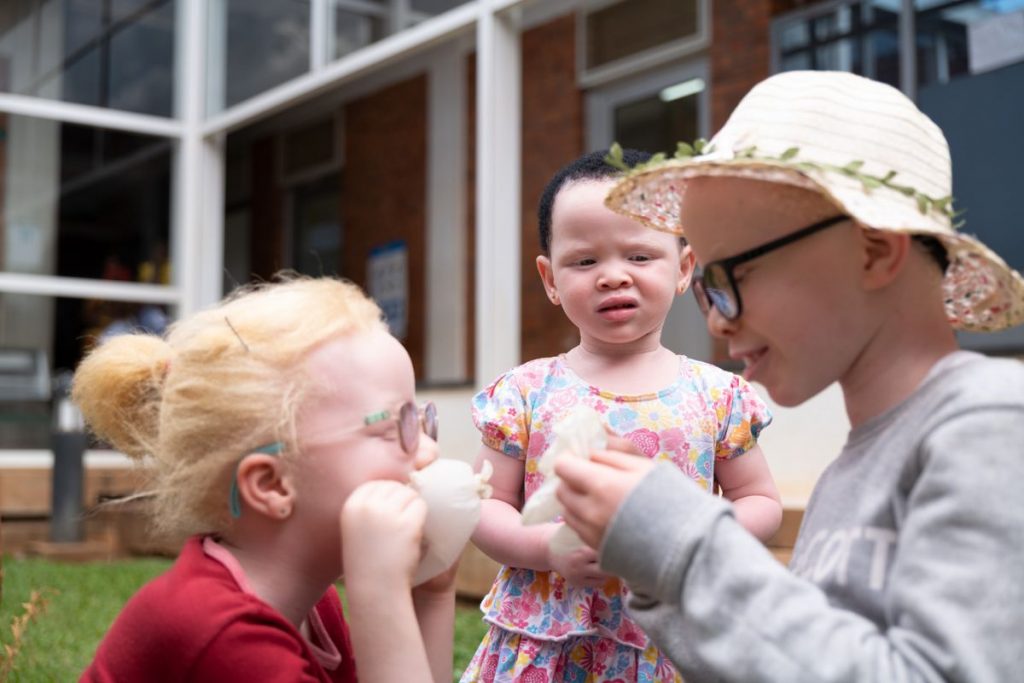
To combat the social exclusion faced by people with albinism in the country, Beyond Suncare and Fundación Unicaja will promote awareness-raising actions such as the production of radio programs focused on human rights and the realities of people with albinism. Broadcast in local languages, these programs will extend the reach of Beyond Suncare’s message, particularly to rural communities where access to information is more limited. In this way, they will help educate the public and foster a more inclusive and respectful perception of this historically marginalized community.
Beyond Suncare was founded in 2017 with the aim of guaranteeing the right to health and social inclusion for people with albinism in Africa. Since then, it has achieved significant impact, providing care to more than 4,000 people with albinism in the countries where it operates: Malawi, Uganda, Rwanda, and the Democratic Republic of the Congo.
Its intervention model was recognized in 2019 by the United Nations as a “Good Practice” in the official report A/75/170/Add.1, which highlights best strategies for the inclusion of people with albinism. In addition, the effectiveness of this approach has been scientifically validated through a study published in the International Journal of Dermatology, demonstrating significant improvements in the health of those who receive its care.
Beyond these recognitions, Beyond Suncare continues to strengthen its scientific and practical foundation through new research and evaluation missions, in collaboration with experts in international cooperation and dermatology, as well as with local authorities, partners, and civil society organizations that are an essential part of its mission.
The strategic alliance between Fundación Unicaja and Beyond Suncare will not only make it possible to expand the number of people reached by our program in Rwanda, but also to increase the frequency of dermatology clinics, optimize on-the-ground service logistics, and ensure the continuous distribution of UMOZI MAX to those who need it most. In addition, the capacities of healthcare workers and local civil society organizations will be strengthened, with the aim of generating a transformative and lasting impact.
Protecting the skin means protecting the dignity, health, and future of those who have historically been forgotten. Together, we are illuminating a new horizon for people with albinism in Rwanda.
